Trying to decide between a condo and a townhome in Santa Monica? You are not alone. The Westside offers both, but the differences in ownership, HOA scope, privacy, outdoor space, parking, and long-term value can shape your day-to-day life. In this guide, you will learn how each option works in California, how those tradeoffs play out in Santa Monica, and a simple framework to choose what fits your routine and goals. Let’s dive in.
What “condo” and “townhome” mean in California
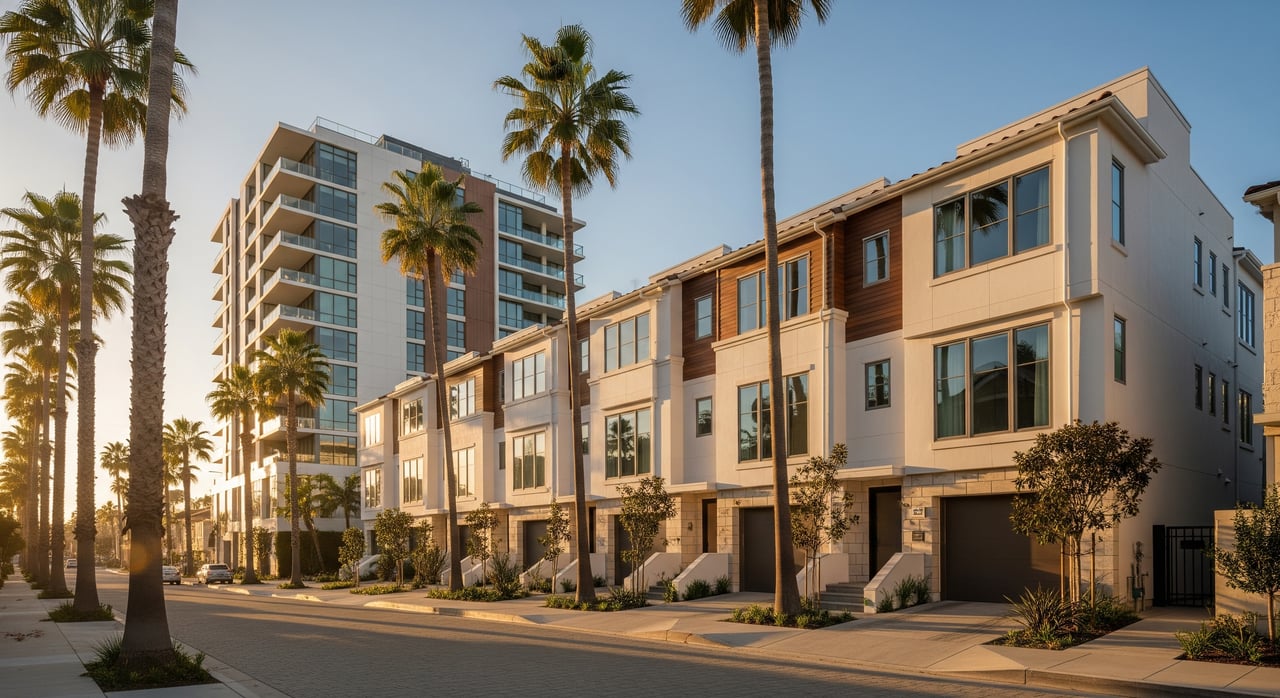
In California, a condo is a legal form of ownership. You own the interior of your unit plus a shared interest in common areas. A townhome is an architectural style. It often looks like a multi-level home with shared walls, but the legal title can be either fee-simple or condominium. Two townhomes can look identical yet have very different ownership and HOA obligations.
Key points to confirm on every listing:
- Check the preliminary title report and CC&Rs to verify fee-simple vs condominium.
- If it is a condominium, the homeowners association will govern common areas under the Davis-Stirling Act.
- Fee-simple townhomes can still have an HOA for shared elements, but owner responsibilities often extend to the exterior and roof.
Santa Monica lifestyle lens
Santa Monica has high demand and limited supply. Condos are more common near downtown, South of Wilshire, and around mixed-use corridors. Townhomes and single-family style options are more scarce, especially near the coast, which can create a price premium for private garages and outdoor space. Walkability, transit access, and a year-round outdoor lifestyle matter here, so the balance between amenities, parking, and private outdoor areas is often the deciding factor.
Ownership and financing
Financing is shaped by the legal form, not the look. Lenders review condo projects as a whole, and some projects have stricter underwriting. Fee-simple townhomes are usually treated like single-family homes for underwriting.
What to verify:
- Legal form: fee-simple or condominium.
- If using FHA or VA, confirm whether the project is approved.
- Review HOA financials and reserve study. Underfunded reserves can affect underwriting and risk.
HOA fees and governance
Condos often have broader HOAs. Dues may cover exterior maintenance, roofs, elevators, security, landscaping, shared utilities, and amenities. Townhomes, especially fee-simple, may have slimmer HOAs or none. Dues are often lower, but you may take on more exterior responsibility.
What to request during due diligence:
- Current budget, reserve study, and recent meeting minutes.
- Insurance certificates and a history of special assessments.
- A clear list of services covered by dues, such as water, trash, cable, landscaping, and any seismic or elevator work.
Maintenance and repairs
Condos typically centralize exterior, roof, and structural work under the HOA. Owners handle interior finishes and some items that penetrate the unit boundary. Fee-simple townhome owners commonly handle their own exterior, roof, and any private yard unless the HOA documents say otherwise. This can reduce dues but requires more time and budgeting on your end.
Questions to ask:
- Who is responsible for roof, exterior paint, windows, fencing, and driveways?
- What approvals are needed for exterior changes or patio alterations?
- Are there rules for interior work that touches shared systems or walls?
Privacy and layout
Townhomes often feel more house-like. Private entries, fewer shared walls at living spaces, and multi-level layouts can add a sense of separation. Condos are usually stacked units with neighbors above and below, shared corridors, and less separation.
Santa Monica is dense, so construction quality matters. Older wood-framed buildings may transmit more sound than newer projects designed with enhanced separation.
How to evaluate:
- Confirm whether units are stacked or side-by-side.
- Ask about party wall details and soundproofing standards.
- Scan HOA minutes for noise complaints.
Outdoor space and amenities
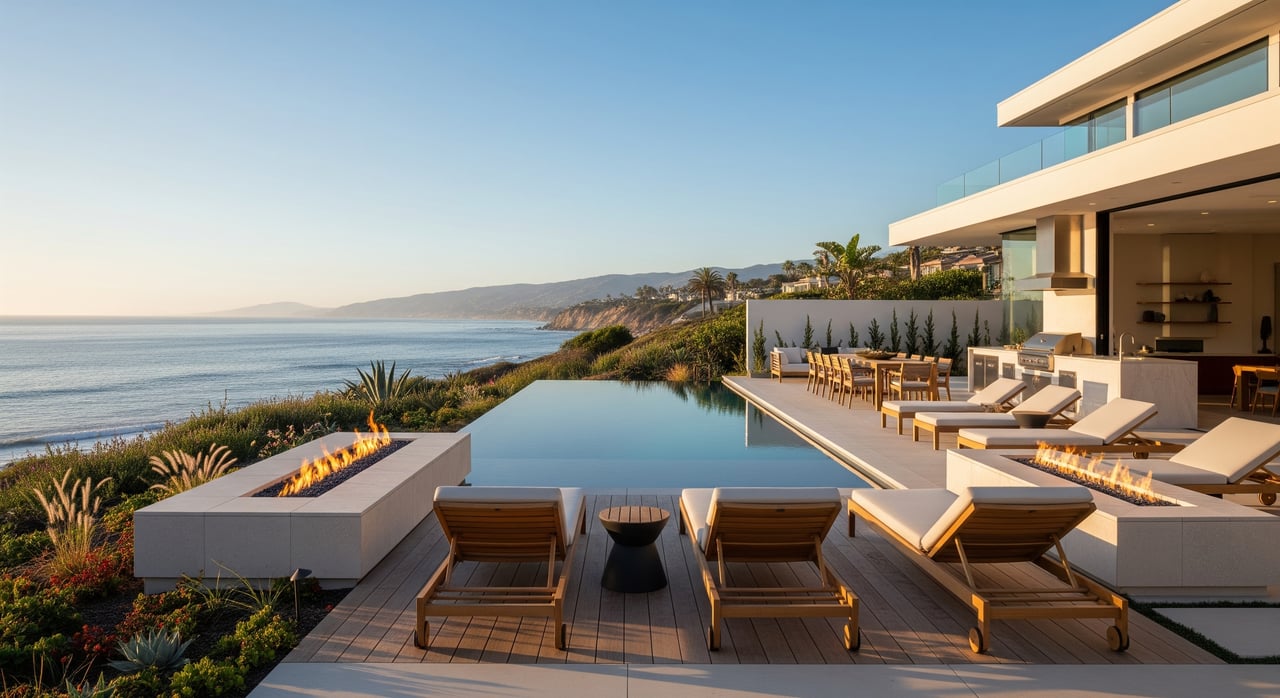
Townhomes commonly include private patios, small yards, or rooftop decks. This works well for grilling, gardening, or outdoor gear. Condos often trade private ground-level space for shared amenities like courtyards, fitness rooms, or pools.
Tradeoffs to weigh:
- Private outdoor space increases maintenance and liability but gives you control and privacy.
- Shared amenities provide convenience, often with higher dues and less exclusivity.
- In Santa Monica’s mild climate, a patio or rooftop deck can become a daily extension of your living space.
Parking and storage
Parking is a real factor on the Westside. Townhomes are more likely to include private garages with additional storage. Many condos provide assigned spaces in a shared garage, and guest parking can be limited.
What to confirm:
- Number and size of assigned spaces.
- Guest parking policies and on-street permit rules.
- Storage lockers and whether EV charging is allowed or available.
Insurance and coastal risk
Condo owners usually carry an HO-6 policy for interiors and personal property while the HOA carries a master policy on common elements. Fee-simple townhome owners typically carry an HO-3 policy. Coastal proximity brings specific risk planning.
Checklist for protection:
- Review the HOA master policy to understand coverage limits and deductibles.
- Ask your insurance agent about earthquake insurance, which is not part of standard policies.
- Evaluate flood exposure in low-lying coastal pockets if applicable.
Resale and long-term value
In Santa Monica, scarcity matters. Fee-simple townhomes with garages and private outdoor space can attract buyers seeking a single-family feel with easier financing. Condos appeal to first-time buyers, downsizers, and those who value amenities and low hands-on upkeep. Consider who your future resale audience is likely to be and how the product type aligns with that pool.
Signals to review:
- Upcoming HOA capital projects that might lead to special assessments.
- Building age and recent upgrades like roof, seismic retrofit, or elevator modernization.
- Nearby development that could change density or the neighborhood experience.
Quick comparison by lifestyle
- Choose a condo if you prioritize low maintenance, shared amenities, and a potentially lower entry price, and you are comfortable with an HOA managing building systems and rules.
- Choose a townhome if you want a more house-like feel with a private garage and outdoor space, and you are willing to manage more of the exterior if it is fee-simple.
A simple decision framework
Step 1: Rank your must-haves
- Private outdoor space or shared amenities
- Garage needs and number of cars
- Low maintenance vs control over exterior and landscaping
- Tolerance for HOA rules vs autonomy
- Financing path, including FHA or VA
Step 2: Verify the facts on each listing
- Legal form on title: fee-simple or condominium
- HOA documents: CC&Rs, rules, minutes, current budget, reserve study, assessment history
- Insurance: master policy scope and owner obligations
- Parking: assigned spaces, guest policies, EV charging
- Maintenance: roof, windows, fencing, driveways, exterior paint responsibility
- Noise and adjacency: stacked vs side-by-side, construction type, complaint history
- Approvals: FHA or VA status if you plan to use those loans
- Local rules: short-term rental policies, pet policies, neighborhood parking permits
Step 3: Lifestyle test visits
- Visit at different times to check noise, street parking, and amenity use.
- Walk the common areas to spot deferred maintenance or leaks.
Step 4: Long-term value lens
- Scan for planned high-density projects nearby.
- Ask about upcoming capital work like roof or seismic retrofit.
- Identify your likely resale audience in 5 to 10 years and how your choice appeals to them.
What this means for you in Santa Monica
If you crave a turnkey lifestyle with shared amenities and minimal exterior upkeep, a condo can be a smart, practical fit. If a private garage for beach gear and bikes, more separation, and a patio or rooftop deck are non-negotiable, focus on fee-simple townhomes where possible. The right call depends on your daily rhythm, financing plan, and risk tolerance for HOA governance and future assessments.
Ready to compare options side by side?
You deserve a clear view of the tradeoffs before you commit. If you want help verifying title form, reading HOA documents, and targeting listings that match your lifestyle, connect with a local advisor who lives and works on the Westside. Reach out to Jessica Abbott to schedule a consultation and see tailored condo and townhome options in Santa Monica.
FAQs
Are townhomes in Santa Monica always easier to finance than condos?
- Not always. Fee-simple townhomes are often treated like single-family homes and can be easier to finance, while townhomes titled as condominiums follow condo underwriting rules. Confirm the title form on the preliminary title report.
Which has lower ongoing cost in Santa Monica, a condo or a townhome?
- It depends. Condos often have higher HOA dues that cover exterior and shared systems. Townhomes may have lower dues but more out-of-pocket exterior upkeep. Review budgets, reserves, and responsibilities.
Is a Santa Monica condo a good choice if I want low maintenance and amenities?
- Yes. Many condos include exterior maintenance and shared amenities in the dues, which suits buyers who prefer a turnkey lifestyle and are comfortable with HOA rules.
Will I get a private yard or rooftop with a Santa Monica townhome?
- Many townhomes offer patios, small yards, or rooftop decks, but space is limited in coastal neighborhoods. Verify the exact outdoor square footage and any HOA restrictions.
How important are HOA reserves and meeting minutes for Santa Monica buyers?
- Very important. Reserves and minutes reveal deferred maintenance risks and the likelihood of special assessments. They also show how the HOA manages building issues and community concerns.