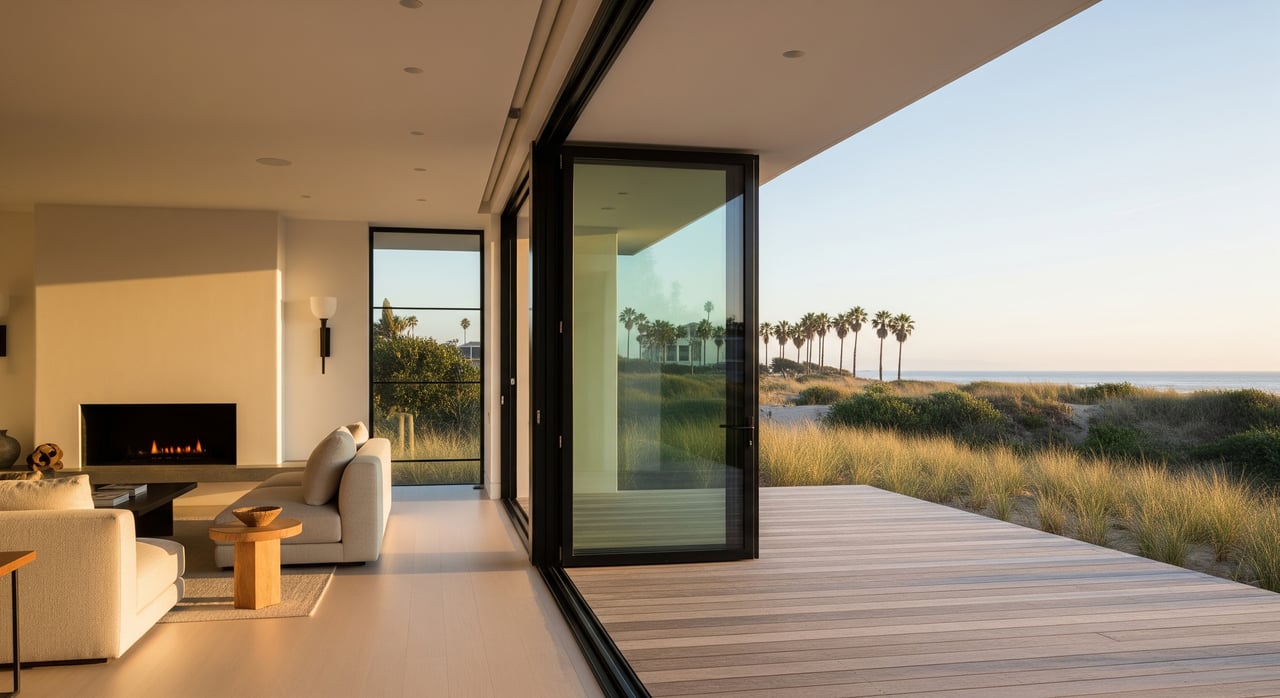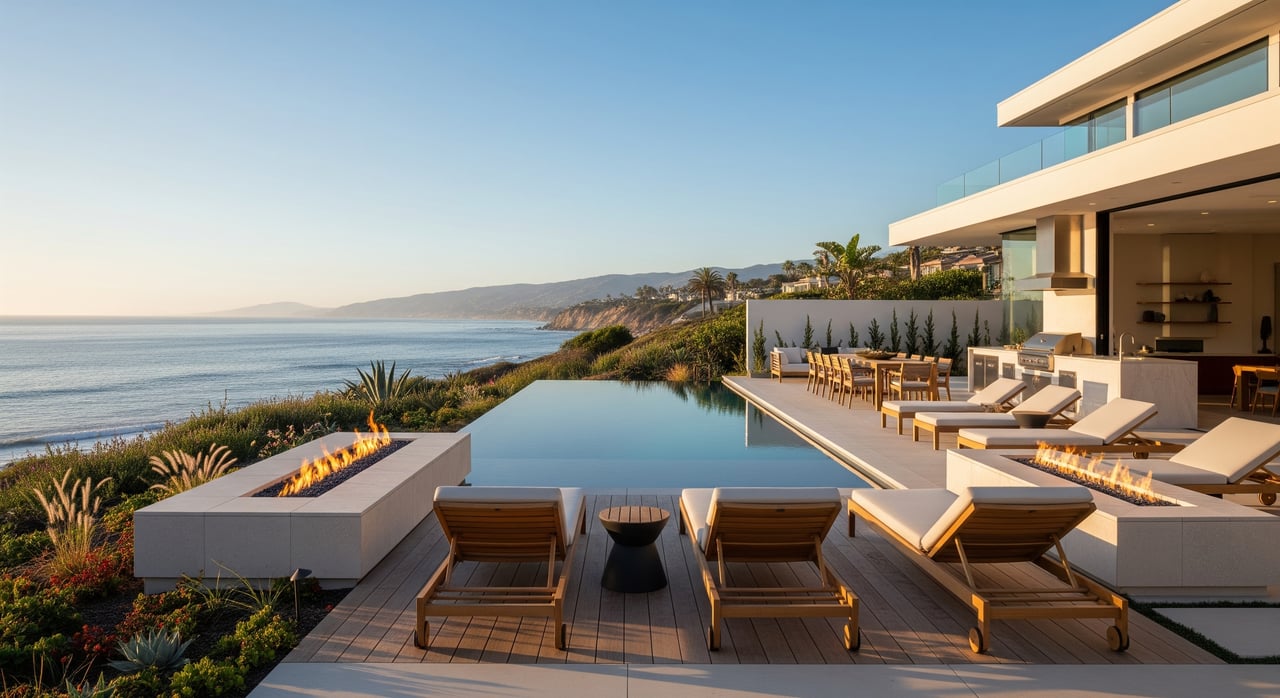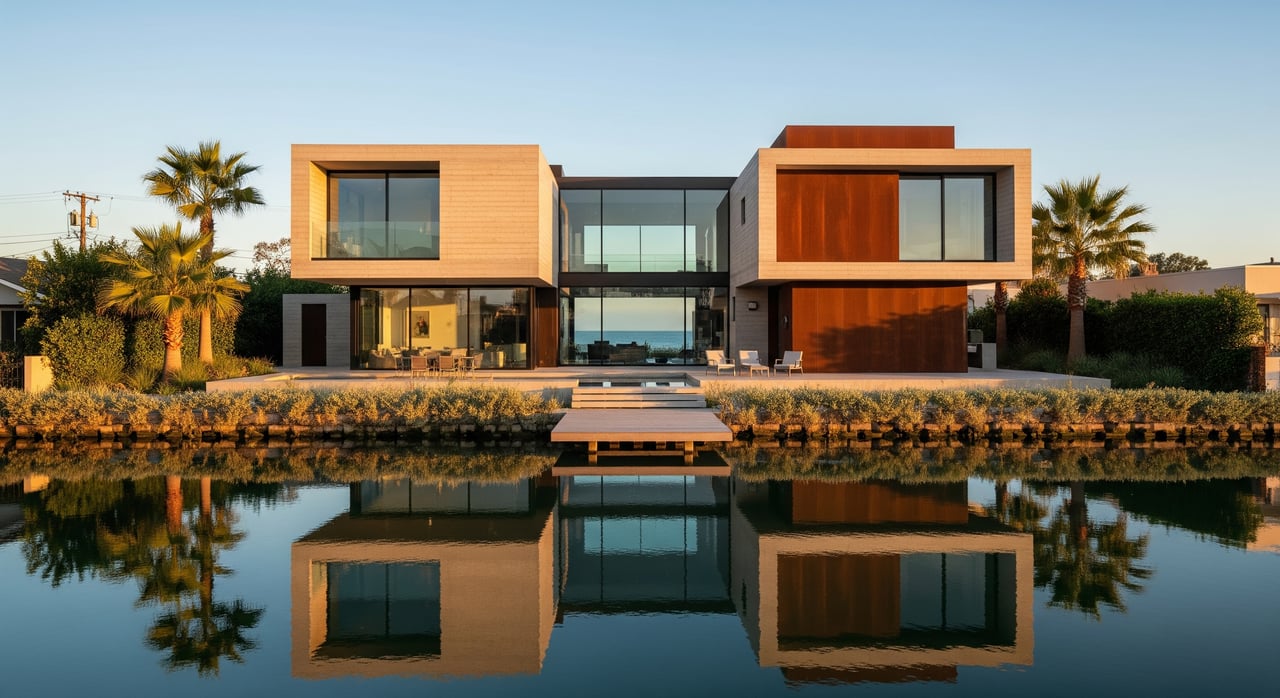
Pricing an architecturally significant home in Venice is not like pricing a typical house. You are selling design, provenance, and lifestyle in a coastal micro-market where scarcity and presentation shape value. If you are preparing to list in 90291, you need a clear plan for comps, a defensible scarcity premium, appraisal strategy, and marketing that speaks to design-minded buyers. This guide shows you how to build a price that holds in negotiation and appraisal, while reducing days on market. Let’s dive in.
Why Venice pricing is different
Venice is an amenity-driven coastal neighborhood where beach proximity, walkability, and cultural cachet drive demand. Inventory of architect-designed and well-documented homes is limited, so distinctive properties can command premiums when they are positioned correctly. Buyer segments vary: designers, creatives, and high-net-worth buyers often value provenance, materials, and design integrity more than bed and bath counts.
Coastal and regulatory factors can also influence price. Flood risk, location within the Coastal Zone, permits, and potential historic or landmark status affect insurability and marketability. Your pricing and marketing should target the right buyer subset and anticipate financing or appraisal friction for loan-dependent buyers.
Build your pricing foundation
Choose the right comps
Start with closed sales from the past 6 to 12 months in Venice, ideally within a half-mile. Expand to 12 to 24 months or to nearby coastal areas only if you cannot find close stylistic matches, and document why. Prioritize comps that match on architect or provenance, style and period, condition and finish, usable indoor and outdoor square footage, lot size and orientation, parking, permits, and any historic designations.
When direct comps are scarce, use carefully chosen proxy comps that mirror lifestyle attributes like beach proximity, outdoor living, and quality of finishes. Make the differences explicit. A feature-by-feature match matrix is far more persuasive than relying only on averages.
Make thoughtful adjustments
Use price-per-square-foot as a baseline, then layer nuanced adjustments. Document why each adjustment is warranted and estimate magnitude using market evidence where possible. Consider view premiums, architect name recognition, extra-wide lots, protected outdoor spaces, and permitted structural or systems upgrades. Keep a written rationale for every adjustment.
Use per-square-foot carefully
Per-square-foot metrics can understate value for high-design homes. Double-height volumes, custom millwork, and non-countable features like roof decks create experiential value that may not show up in raw square footage. Treat per-square-foot as an anchor, not the answer, and supplement it with feature and provenance adjustments.
Quantify the scarcity premium
A scarcity premium is defensible when your home demonstrates multiple indicators of rarity and significance. Look for documented provenance, awards or editorial coverage, unique site attributes such as direct beach access or standout views, and clear separation in recent sale prices for architect homes compared to non-architect peers.
To justify the premium, compile evidence of rarity. Count similar architect-designed homes that sold in the past few years, highlight their price separation versus the neighborhood baseline, and include third-party validations such as awards, press features, original plans, and permits. A strong narrative might read: the property’s premium reflects documented scarcity and market evidence of design-driven sales outperforming standard inventory.
Prepare for appraisal and financing
What appraisers weigh
For single-family homes, the Sales Comparison Approach is primary. When true comps are thin, appraisers may also look to the Cost Approach to understand replacement cost and depreciation of specialized features. The Income Approach is rarely relevant unless meaningful rental income exists.
Solve common appraisal issues
Architectural homes can face limited comps and under-valuation of high-end finishes or custom elements. Appraiser experience with design-forward properties varies. The best defense is preparation: provide context, documentation, and a clear, organized pricing rationale before the appraisal occurs.
Appraiser packet checklist
Include a comprehensive packet to support the valuation:
- Comparable sales with your adjustment rationale and timeline notes.
- Architect contracts, plans, and permits, including as-builts.
- Construction cost summaries, contractor invoices, and warranties.
- Awards, press articles, and publication history.
- Documentation of energy, seismic, or systems upgrades.
- A recent pre-listing inspection and photographic inventory of custom details.
- Evidence of scarcity and provenance, including a list of recent architect-home sales.
Financing strategies
Expect conservative appraisals for buyers using conventional loans. Share your packet early with the lender and appraiser to provide context. Consider attracting cash or private-lender buyers who are less constrained by appraisal. For financed offers, discuss appraisal-gap clauses or buffers in negotiation while documenting every element that supports your premium.
Market the architecture
Craft the narrative
Lead with provenance. State the architect, year, and any awards or editorial features. Describe design intent and unique features with objective language: materials, light, sightlines, circulation, and indoor-outdoor integration. Tie the lifestyle to Venice’s coastal amenities and document functional upgrades with dates and permit references.
Invest in visuals
Hire an architectural photographer for interiors, exteriors, and twilight work. Add floor plans, measured drawings, roof or deck plans, and a 3D tour so buyers and appraisers can confirm scale and flow. Consider a short, high-resolution video and drone footage to show context and proximity to the beach. Package it all in a digital and printed brochure with a concise architect statement and a summary of upgrades and permits.
Stage for scale
Use staging that highlights volume and materiality instead of heavy decor. Select a palette and furnishings that defer to the architecture and clarify circulation paths. Light the home to accent key features and prepare twilight shots for emotional impact. Stage outdoor zones to demonstrate how the property lives in a beachside context.
Distribute to the right audience
Target design and luxury channels where buyers appreciate provenance. Prioritize outreach to architecture and design networks, local luxury broker tours, curated email lists, and editorial opportunities. On social media, focus on high-quality visuals and concise storytelling that emphasizes the architecture and lifestyle.
Set pricing strategy and negotiate
Choose your list approach
- Aspirational list: Price at a premium to signal uniqueness and attract a select pool and potential press. This can increase days on market and appraisal pushback.
- Market-value list with marketing premium: List in line with well-supported comps and let elevated presentation create competition and multiple offers.
- Pre-market or invite-only launch: Build momentum among qualified design buyers ahead of broad exposure. This concentrates interest but reduces general visibility.
Choose the approach that fits your priority for speed, price, or control.
Manage offers and contingencies
Pre-qualify buyers early with proof of funds or pre-approvals. For conventional buyers, expect appraisal contingencies to come into play and plan your negotiation buffer. Consider escalation clauses to keep pricing leverage while maintaining control. Keep your documentation close so buyers and appraisers can validate the premium fast.
Reduce days on market
Complete permit checks, visible repairs, and property preparation before listing. Launch with full visual assets: photography, floor plans, 3D tour, and a concise, documented narrative. Price at the validated tactical target to attract your best-fit buyer set quickly. Coordinate a broker open that reaches agents who specialize in design and luxury.
Risk management checklist
- Verify permits and disclose any unpermitted work. Pursue retroactive permits if feasible.
- Confirm coastal, flood, and insurance status.
- Review zoning, potential historic or landmark considerations, and any encumbrances.
- Organize all documentation that supports replacement cost and recent renovation investments.
Action plan for Venice sellers
- Gather proofs of provenance: architect plans, permits, invoices, awards, and press.
- Build a comp set focused on style, finish, site, and lifestyle, not just square footage.
- Prepare a complete appraiser packet and share it early with lenders and appraisers.
- Invest in architecture-grade visuals and a narrative that documents scarcity.
- Choose a pricing strategy that aligns with your goals and anticipate appraisal dynamics.
If you want a design-first, concierge approach that treats your home like a curated product, connect with Jessica Abbott to craft a pricing and marketing plan built for Venice.
FAQs
How do I pick comps for a Venice architect home?
- Focus on the past 6 to 12 months within a half-mile, matching on provenance, style, finish level, lot, parking, and permits; expand in time or radius only when you document why.
When is a scarcity premium justified in 90291?
- When your property shows clear provenance, unique site attributes, rarity of features, and market evidence that architect-designed homes have sold at noticeable premiums over standard inventory.
How do appraisers handle unique design features?
- Appraisers rely on the Sales Comparison Approach but may reference the Cost Approach when comps are limited; detailed documentation helps them quantify custom elements and finishes.
What marketing assets matter most for architectural homes?
- Architectural photography, floor plans, measured drawings, a 3D tour, and a concise, evidence-backed narrative are essential to convey value to buyers and appraisers.
How can I reduce appraisal risk with a financed buyer?
- Share a complete appraiser packet early, prepare multiple well-supported comps, and consider appraisal-gap strategies while targeting buyers who value design and provenance.
What pricing strategy works best in Venice?
- Many sellers list at a market-aligned price with elevated presentation to drive competition, while others choose an aspirational list to signal uniqueness; select based on speed, price, and control priorities.