If design is your love language, Venice 90291 gives you a lot to fall for. You get a rare mix of historic charm, inventive modern builds, and an everyday rhythm that revolves around the beach, bikes, and creative energy. This guide shows you how Venice homes look, live, and cluster by micro-neighborhood, plus the tradeoffs and rules that shape smart decisions. You will leave with a design-forward checklist you can use on the first tour. Let’s dive in.
What makes Venice 90291 different
Venice is a high-demand coastal market with a dense mix of classic bungalows, beach cottages, live–work lofts, and contemporary infill homes. Lots tend to be small, so many homes rise two to four stories to add space and capture light. You will find strong indoor–outdoor living, walkable streets, and a thriving design and retail scene centered on Abbot Kinney. Near the canals and beachfront, flood and sea-level planning comes into play, and some properties sit within the Coastal Zone.
Venice home styles at a glance
Classic bungalows and Craftsman
These 1920s and 1930s homes often have low-pitched gabled roofs, porches, exposed rafters, and wood siding or shingles. Interiors lean cozy with hardwood floors and compact rooms, unless opened up in a remodel. Many buyers keep the historic exterior and update the inside for better flow. You will see these in Oakwood, parts of the Silver Triangle, and inland blocks away from the boardwalk.
Beach cottages and surf shacks
Expect small footprints, simple forms, and casual finishes that reflect life by the sand. Many are slightly elevated and include outdoor showers and surf storage. Yards are informal, and maintenance is often low. These homes fit buyers who want an easy, beach-forward lifestyle.
Spanish Colonial and Mediterranean Revival
Stucco walls, red tile roofs, arched openings, and wrought iron details set a classic Southern California tone. Courtyards and patios create private outdoor rooms that extend daily living. The feel is a bit more enclosed than a cottage, with a focus on privacy. These homes support indoor–outdoor flow without giving up seclusion.
Mid-century modern and small modern houses
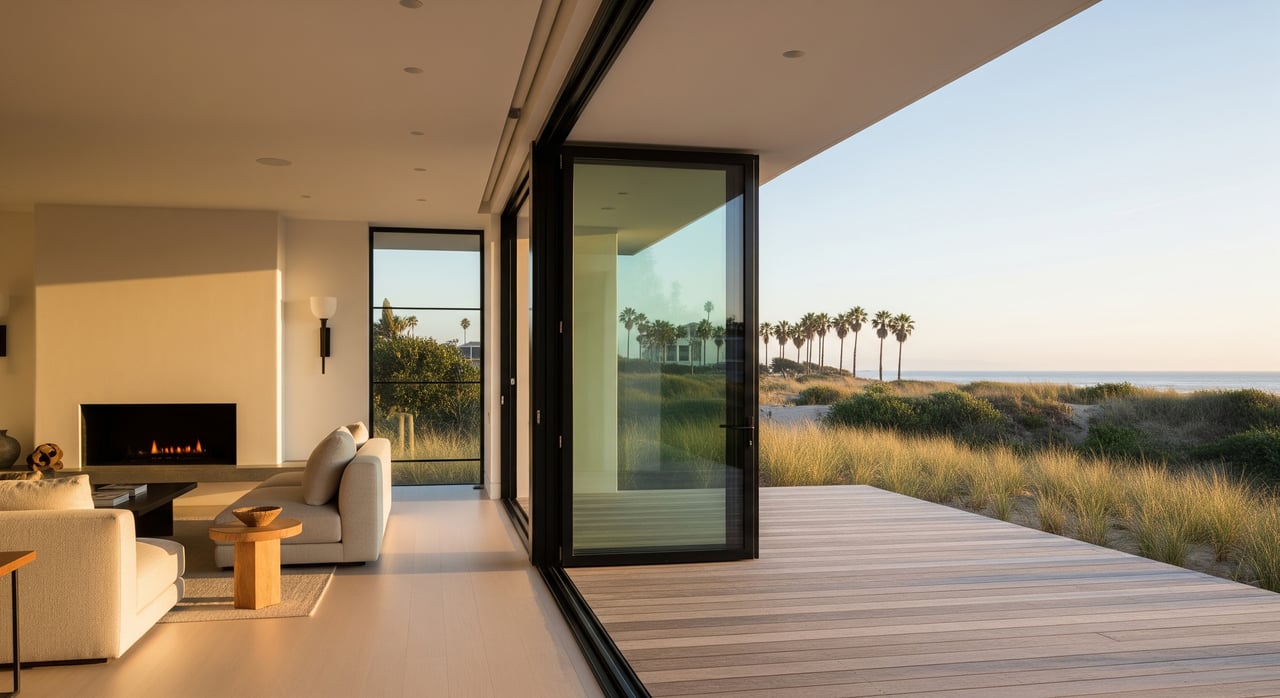
Clean lines, big windows, and open living-dining spaces define these homes. They connect strongly to patios and decks, often through large glass doors. Venice has fewer pure mid-century examples than other LA areas, but you will see them in remodels and select pockets. These homes appeal if you want light and a simple, modern vocabulary.
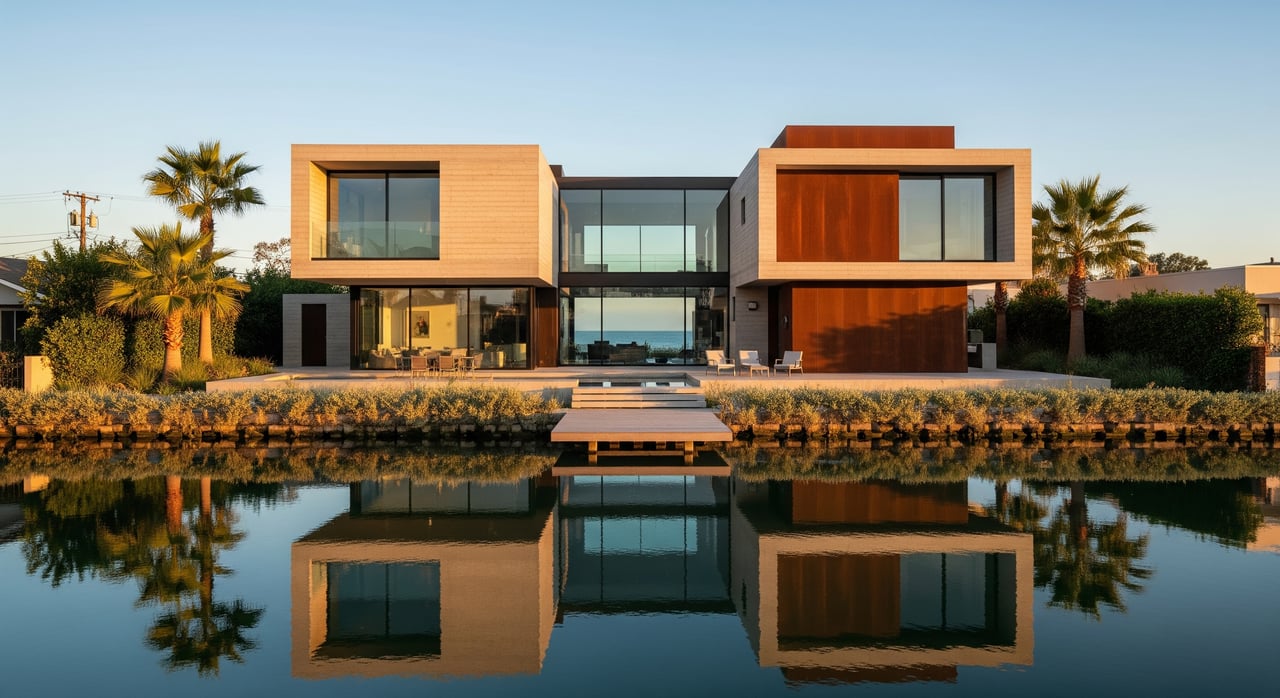
Contemporary box homes and infill modern
Multi-level, geometric forms with floor-to-ceiling glass and rooftop decks are common in newer builds. Interiors favor open plans, high ceilings, concrete or wide-plank floors, and integrated lighting and tech. Garages may tuck under the living space or sit tandem on narrow lots. These homes are made for entertaining, privacy, and maximizing every square foot.
Live–work lofts and adaptive reuse
You will find flexible units with ground-floor workspace and loft-style living above, often in converted industrial buildings or purpose-built mixed-use projects. Look for exposed structure, mezzanines, and movable partitions. These spaces support creative work and residential life in one. They cluster near commercial corridors and former industrial streets.
Venice Canal houses and unique one-offs
Along the canals, homes range from restored cottages to bespoke contemporary waterfront builds. Many include small landscaped yards and docks, plus seawalls or elevated foundations. Life here feels quiet and picturesque with water views. Owning on or near the canals adds maintenance and insurance factors to consider.
How Venice homes live: plans and flow
Small lots push many homes to go vertical and stack living spaces for light and privacy. You will see everything from compact single-level cottages to multi-level modern houses that reach 1,800 to 3,500 plus square feet. Condos and townhomes use efficient plans with fewer wasted hallways. Creative floor planning and daylighting strategies are common in narrow homes.
Typical plan types
- Single-level cottages: One to two bedrooms with a small kitchen and a single bath. A patio or compact yard often doubles the living area.
- Classic bungalow remodels: One-level living remains, but kitchens are opened, rear additions add space, and bedroom wings can split for privacy.
- Stacked modern homes: Garage or parking at grade, then a main living level with kitchen and terrace, bedrooms above, and a rooftop deck on top.
- Live–work units: Workspace at street level with loft living above, plus mezzanines and flexible partitions for studio uses.
Indoor–outdoor features you will see
- Folding or sliding glass walls that open to courtyards and decks.
- Drought-tolerant gardens and small, well-detailed courtyards for year-round use.
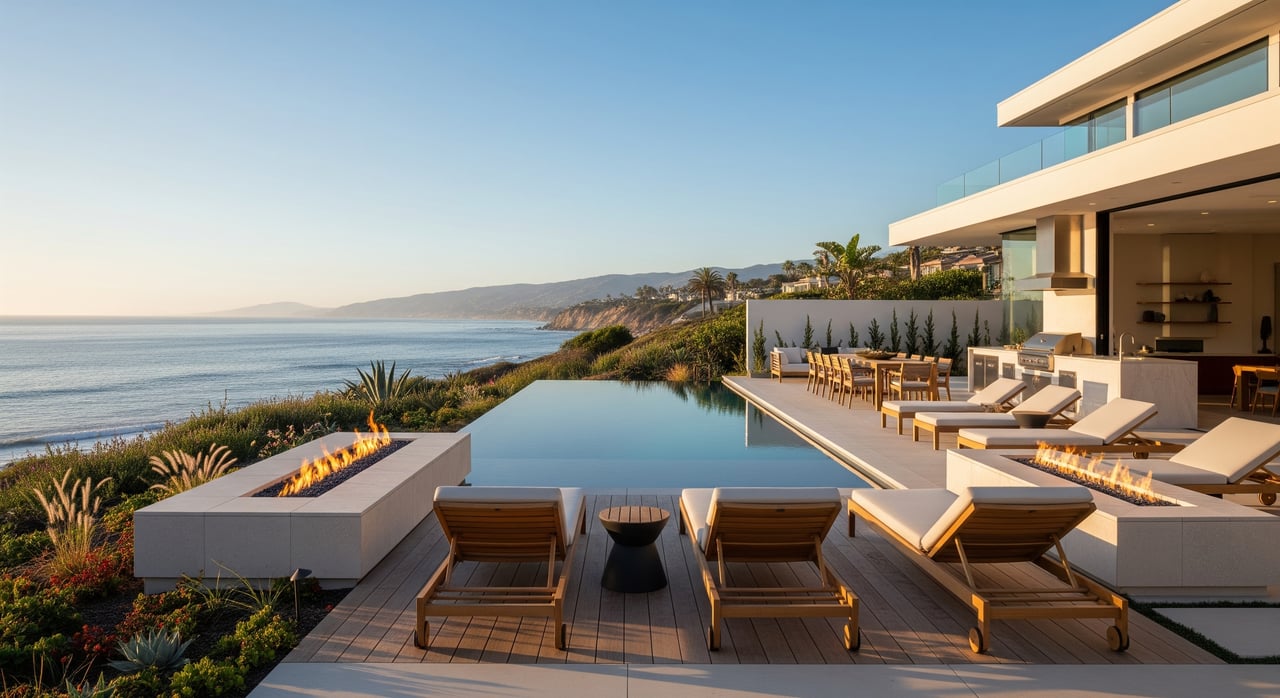
- Rooftop decks that create private outdoor rooms where ground yards are limited.
- Outdoor showers and surf storage in beach-oriented homes.
- Built-in outdoor kitchens, fire features, and raised planters to extend entertaining.
- Clerestory windows, light wells, and skylights to brighten deep, narrow plans.
Storage, parking, and work zones
Garages may be small or absent, and some have been converted to living space. Newer builds often use tandem or stacked parking to meet code on narrow lots. Street parking plays a bigger role in daily life here than in many suburbs. Dedicated office nooks, pocket doors, and acoustics that support work-from-home are high-value features.
Where to look: micro-neighborhoods
Venice is compact but varies by block. Your daily feel can change a lot within a five-minute walk. Think about whether you want the energy of Abbot Kinney, the calm of the canals, or a mix of both.
North Venice and Abbot Kinney Corridor
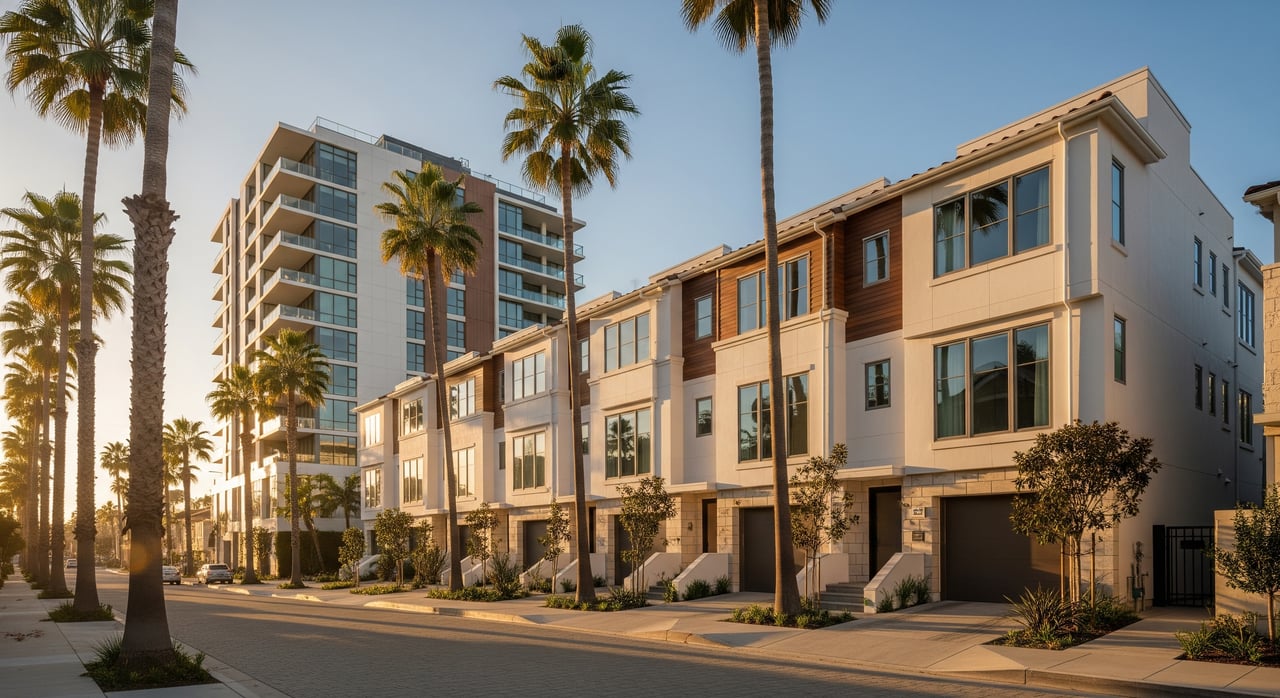
This is a design-forward retail corridor with galleries, shops, and restaurants. You will see contemporary infill homes, boutique condos, and modern townhomes mixed with multi-unit buildings. Streets are lively and walkable, with price premiums close to Abbot Kinney and Rose Avenue. It suits buyers who want to step out to dining and retail.
Windward, Westminster, and the Boardwalk edge
Near Ocean Front Walk, you get immediate beach access with high foot traffic. Housing includes beach cottages, older single-family homes, and small multifamily buildings. Expect more daytime activity and some nightlife. Weigh privacy, noise, and parking against the draw of the sand.
Venice Canals
A quiet, scenic pocket with narrow streets and an eclectic mix of restored cottages and custom modern homes. Many homes have docks and intimate yards. Daily life feels slow and residential, with water as the backdrop. Flood risk, seawalls, and shoreline rules are important to review here.
Oakwood and South Venice
These areas include bungalow courts, modest detached homes, and growing renovation activity. You will see a mix of classic Craftsman details and thoughtful modern updates. The location offers access to commercial corridors and transit. Buyers who value neighborhood character and ongoing reinvestment often look here.
Silver Triangle and Lincoln Boulevard corridor
A transition zone with adaptive reuse and smaller lofts. You will find live–work setups, walk-up apartments, and newer multifamily. The fabric mixes residential and light commercial uses. It works well for buyers who want flexible space close to services.
Marina Peninsula and Pacific Avenue borders
Close to Marina del Rey and the yacht harbor, this area includes higher-end contemporary homes and larger developments. Many homes are multi-level and more likely to have covered parking. The setting blends beach access with a bit more separation from crowds. It is a strong fit if you want modern finishes in a polished coastal setting.
Key tradeoffs to weigh
- Beach proximity vs quiet and privacy. Closer to the sand increases activity and tourism.
- Historic charm vs modern amenities. Original details can limit open-plan layouts unless remodeled.
- Small yards vs roof decks. Many homes favor vertical outdoor living to gain privacy on tight lots.
- Parking vs walkability. You may trade private parking for better access to shops and the beach.
- Waterfront setting vs flood and maintenance planning. Canal and beachfront homes add insurance and seawall considerations.
Regulations and realities that shape design
Venice sits within the City of Los Angeles, and rules vary by parcel. A few checks early in the process will save you time and cost later.
- Zoning and permits: Projects must follow the Los Angeles Municipal Code and City permitting procedures. Local zoning designations guide height, setbacks, and use.
- Coastal Zone: Parts of Venice fall within the California Coastal Zone or Coastal Overlay. This can affect demolition, additions, and public-access requirements. Verify coastal status early in due diligence.
- ADUs: State law allows accessory dwelling units, but local standards such as setbacks, height, and parking still apply. ADUs are a popular way to add flexible space or income.
- Historic review: Some older bungalows and courtyard buildings have historic value. Exterior changes or demolition can trigger additional review or community input.
- Flood and seawalls: Canal-front and beachfront homes can carry higher flood risk. Review flood insurance, seawall maintenance, and long-term sea-level planning.
- Short-term rentals: The City of Los Angeles has tightened rules on short-term rentals. Registration and operating limits apply, and eligibility varies.
- Construction logistics: Narrow lots, close setbacks, and small streets make construction more complex. Expect staging challenges, traffic limits, and neighborhood coordination.
If you love design, shop like this
- Define your lifestyle scenes. Do you want quiet waterside mornings, or to step out to restaurants and galleries? Let that guide the block you target.
- List must-have features. Think folding glass walls, rooftop deck, dedicated office, pantry storage, and sound control.
- Verify overlays early. Check Coastal Zone, flood maps, zoning, and any historic or neighborhood design reviews before you plan changes.
- Plan for parking. Decide if you need a garage, if tandem parking fits, or if street parking works for your routine.
- Study light and circulation. In narrow homes, look for skylights, clerestory windows, and stair placement that keeps spaces bright.
- Map your work-from-home needs. Evaluate office nooks, acoustics, and network-ready spaces.
- Assess outdoor living potential. A small courtyard can feel large with built-in seating, planters, and lighting.
- Consider an ADU. If the lot allows, an ADU can add flexibility or income while keeping privacy.
- Understand short-term rental rules. If rental income is part of your plan, verify the current city ordinance and registration steps.
- Walk the block at different times. Visit on a sunny Saturday and a quiet weekday evening to understand noise, parking, and foot traffic.
How Jessica Abbott helps design-first buyers and sellers
You deserve guidance that understands both aesthetics and the rules that shape them. With a design and luxury branding background, Jessica Abbott treats every listing and search as a curated lifestyle project. For sellers, that means presentation-first marketing, strategic staging, high-end photography, and Compass-enabled tools to reach design-minded buyers. For buyers, it means private and coming-soon access, sharp deal management, and a focus on architecturally significant homes across Venice and the Westside.
If you are ready to explore Venice 90291 through a design lens, let’s talk about your next move. Schedule a Consultation with Jessica Abbott.
FAQs
What types of homes are common in Venice 90291?
- You will see classic bungalows, beach cottages, Spanish and Mediterranean styles, mid-century and small modern homes, contemporary infill box homes, live–work lofts, and canal-front one-offs.
How big are Venice homes and lots?
- Many lots are small and narrow, so homes often go vertical. Cottages can be 600 to 1,200 square feet, while multi-level modern homes often range from 1,800 to 3,500 plus square feet.
Which Venice micro-neighborhoods feel quieter near water?
- The Venice Canals offer a quiet, scenic setting with narrow streets and water views. The Marina Peninsula and nearby Pacific Avenue borders also feature multi-level homes with a more polished coastal feel.
Can you add an ADU or rooftop deck in Venice?
- ADUs are allowed under California state law, with local standards for setbacks, height, and parking. Rooftop decks can be possible but are subject to height and setback rules, and coastal review where applicable.
How does the Coastal Zone affect a purchase in Venice?
- Properties in the Coastal Zone can face added review for demolition or additions and may include public-access rules. Verify coastal status early in due diligence to avoid surprises.
What should design buyers consider about parking in Venice?
- Garages can be small or absent, and tandem or stacked parking is common in newer builds. Many owners rely on street parking and prioritize walkability and bike access.
Are short-term rentals allowed in Venice?
- The City of Los Angeles has tightened short-term rental regulations. Registration is required, and eligibility varies by property type and location.
What is the market like for design-forward homes in Venice?
- Venice is a high-demand coastal market with low inventory. Remodeled and modern homes often command premiums, and prices change frequently, so review recent sales and local reports for the latest snapshot.