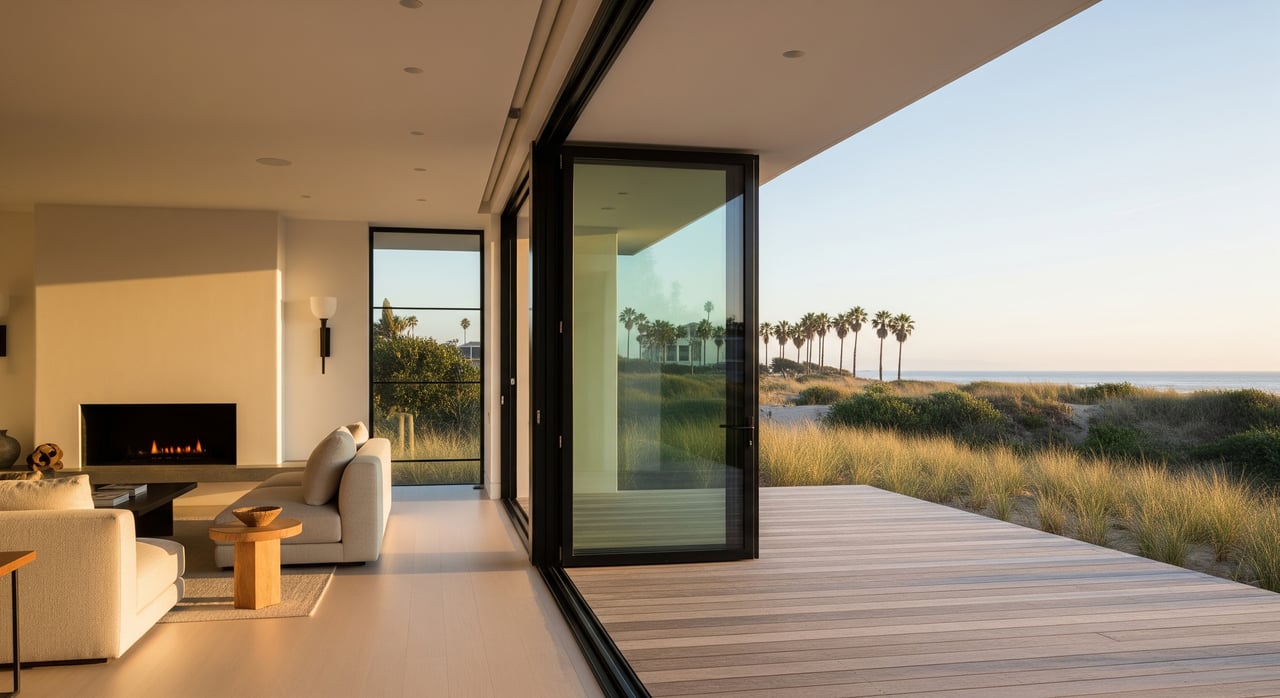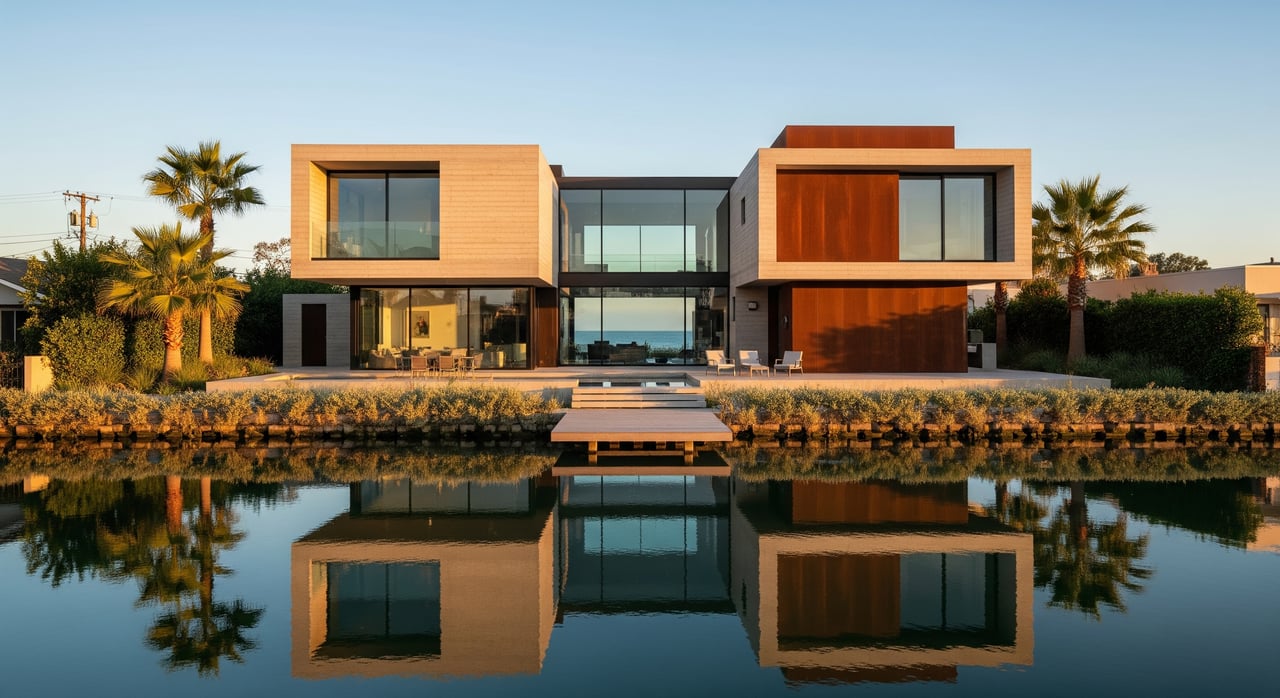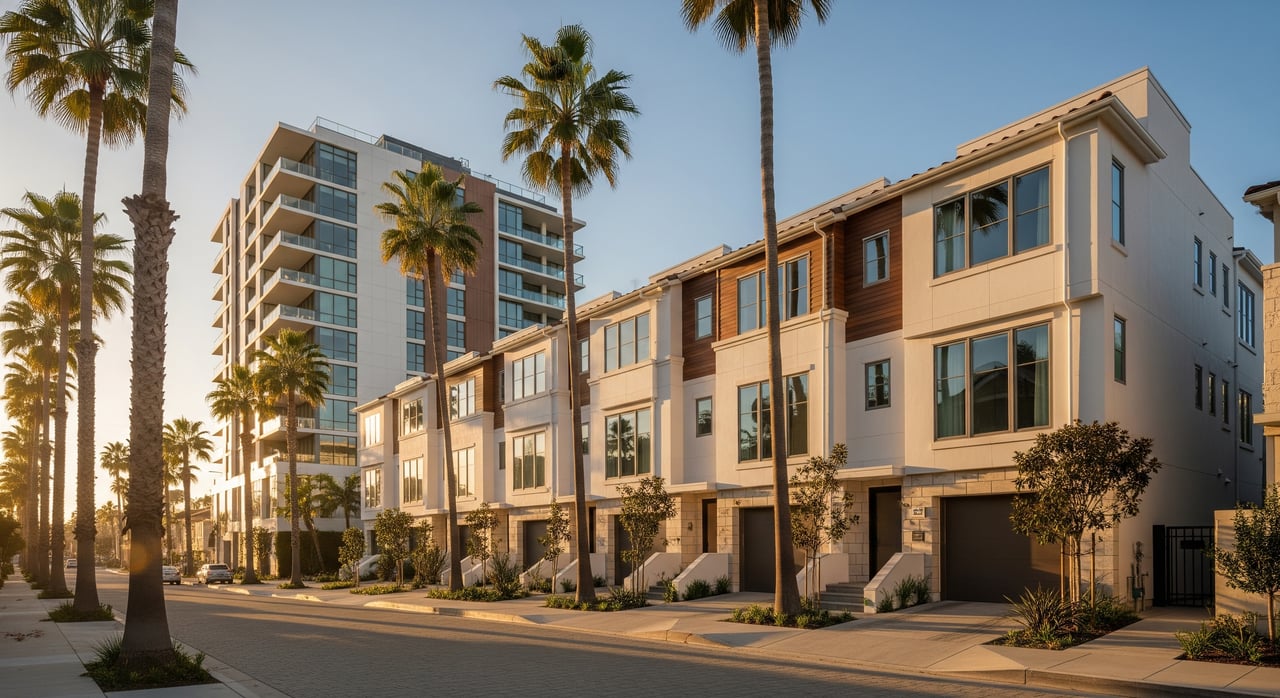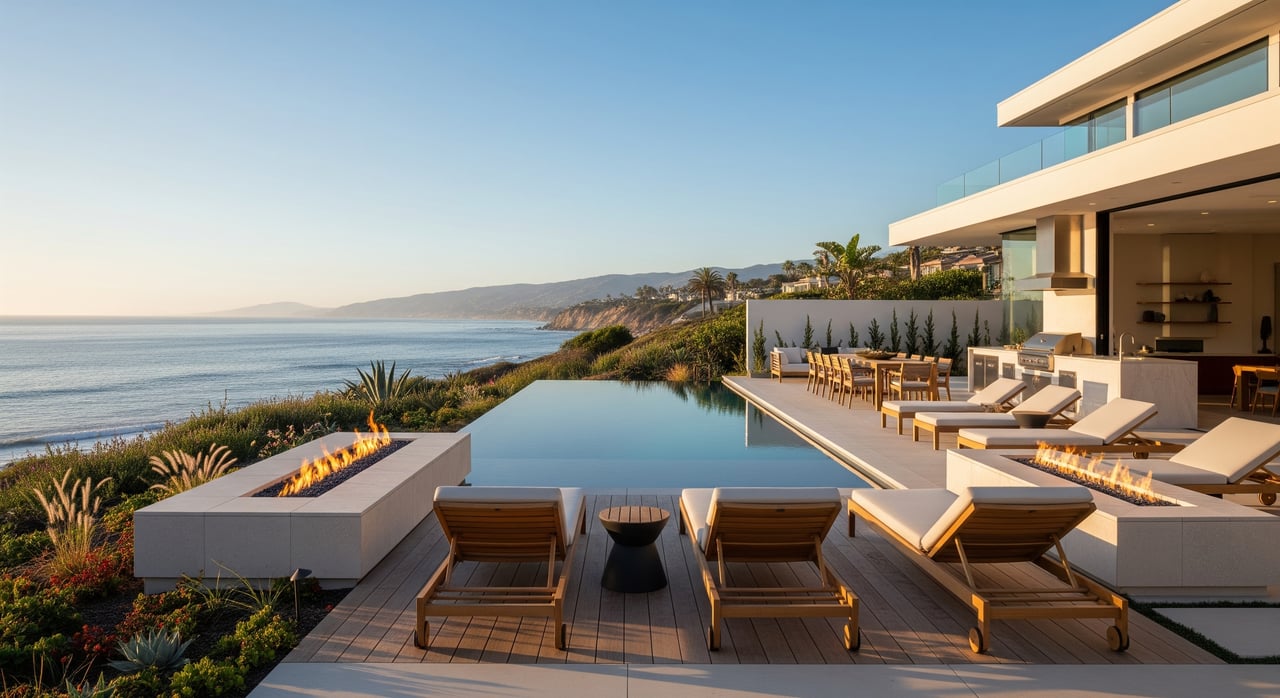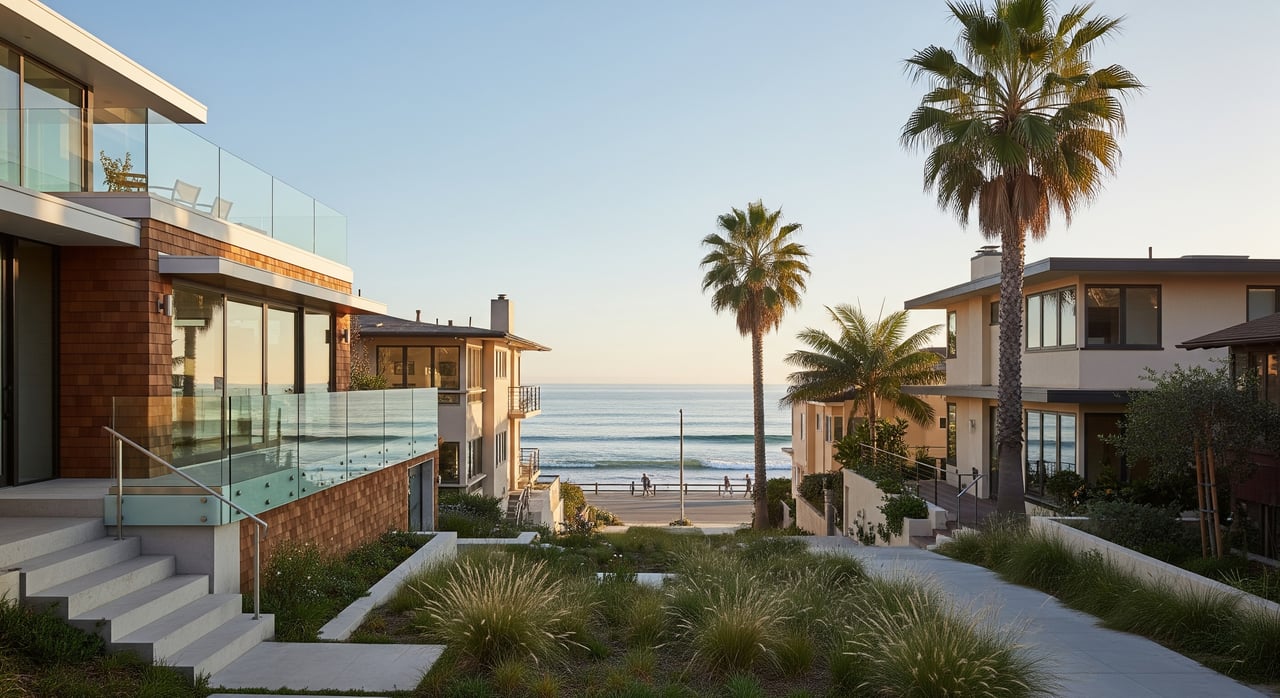
What if your morning could start with a barefoot walk on the Strand, a quiet coffee under a canopy of mature trees, or a sunrise from a rooftop deck with a wide ocean view? In Manhattan Beach, each neighborhood sets a different rhythm. You want a home that fits how you live, from architecture and outdoor spaces to access to dining and the beach. This guide compares the Sand, Tree, Hill, and East areas so you can shortlist the pockets that match your routines and design priorities. Let’s dive in.
Manhattan Beach lifestyle snapshot
Manhattan Beach is a compact coastal city with a walkable downtown centered on the Pier and Main Street. The Strand and Marvin Braude Bike Trail provide continuous pedestrian and bike access along the sand, which shapes daily life for many residents. Parks, including Polliwog Park and several pocket parks, add green space for gatherings and play. The calendar reflects a beach culture, with seasonal events such as the Manhattan Beach Open volleyball tournament.
The city’s identity leans coastal luxury, with an emphasis on outdoor living, remodeling, and thoughtful new construction. Neighborhoods feel different because of elevation, lot orientation, and proximity to the sand. Local zoning, coastal setbacks, and height limits influence home scale, rooftop decks, and terraces, so design details and approvals can vary block by block.
Sand Section: front-row beach living
You live for the beach, and you want it outside your door. The Sand Section puts you steps from the Strand with a lively boardwalk energy and direct access to the water.
Who it fits
- You prioritize sand access, daily walks, and ocean-centric routines.
- You entertain on balconies and roof decks, and you enjoy a social beachfront scene.
- You value being close to downtown restaurants and the Pier.
Architecture and lots
- A mix of historic cottages, Spanish and Craftsman bungalows, and contemporary glass-walled rebuilds.
- Narrow, deep lots in front-row blocks lead to vertical, multi-story homes that maximize views.
- Expect large openings, marine-grade finishes, and integrated indoor and outdoor rooms.
Outdoor living and access
- Immediate access to the Strand and sand, plus dedicated volleyball courts and sunset gatherings.
- High walkability for errands, dining, and coffee runs.
- Outdoor showers and gear storage are common must-haves.
Design notes and tradeoffs
- Focus on corrosion-resistant materials and deck rail details for longevity.
- Privacy and sightline management matter given foot traffic and events.
- Tradeoffs can include limited yard space, higher maintenance from salt air, and more activity at peak times.
Tree Section: leafy blocks and yard space
If you want a neighborhood feel with mature street trees and landscaped yards, the Tree Section balances coastal access with a calmer residential vibe.
Who it fits
- You like sidewalks, street life, and a classic residential setting.
- You want a backyard for gardening, outdoor kitchens, or play areas.
- You prefer easy access to parks and a short hop to downtown.
Architecture and lots
- Single-story ranch and mid-century homes mix with Mediterranean, Craftsman, and tasteful modern remodels.
- Larger front and back yards than immediate beachfront blocks.
- Opportunities for thoughtful updates and landscape design that drives curb appeal.
Outdoor living and access
- A short walk or bike ride to the Strand, with everyday life centered on backyards and local parks.
- Mature trees help create shade and a comfortable microclimate for outdoor rooms.
Design notes and tradeoffs
- Consider indoor and outdoor flow, with sliders to patios and dining terraces.
- Explore potential for garage conversions or ADUs, and verify details with city rules.
- You trade instant sand access for more private green space and a quieter pace.
Hill Section: views, elevation, and calm
For many buyers, the Hill is about elevation and open ocean vistas. Streets slope up from downtown, creating panoramic views and quieter evenings.
Who it fits
- You want westward views and more privacy than the front row.
- You enjoy terraces, rooftop gardens, and sunset decks over ground-level yards.
- You like quick access to downtown without being in the middle of it.
Architecture and lots
- Modern custom homes and multi-story builds designed for view corridors.
- Sloped lots often mean terraced outdoor platforms and smaller flat yard areas.
- Parking may tuck under living spaces, so driveway steepness and garage access matter.
Outdoor living and access
- Elevated patios and roof decks become your main outdoor rooms.
- The beach is a downhill walk, with a return uphill that doubles as exercise.
Design notes and tradeoffs
- Plan for structural and drainage considerations on slopes.
- Prioritize sightlines, privacy screening, and rooftop deck design.
- Expect less usable ground-level lawn, traded for dramatic outlooks.
East Manhattan Beach: space to spread out
East Manhattan Beach offers larger lot footprints, more garage and driveway space, and a suburban feel away from the Strand. It is popular with buyers who value square footage and private amenities.
Who it fits
- You want more interior space and a full backyard for a pool, gardens, or play structures.
- You prefer quieter streets and easy access to everyday errands.
- You value proximity to schools in a residential setting.
Architecture and lots
- Older ranch and traditional homes mix with newer infill and larger two-story builds.
- Larger side yards and backyards are common, which supports vegetable gardens and full-size outdoor dining.
Outdoor living and access
- Daily life centers on private yards, neighborhood parks, and school fields.
- The beach is typically a bike ride or short drive.
Design notes and tradeoffs
- More cost-effective to add private amenities such as pools or ADUs, subject to local rules.
- You trade walk-to-sand convenience for space, storage, and value per square foot.
Match your lifestyle to a neighborhood
- Choose Sand if you want direct beach access, a boardwalk rhythm, and balconies or roof decks as your living room.
- Choose Tree if you want leafy streets, larger yards, and a neighborhood feel a short ride from the Strand.
- Choose Hill if you want open views, sunset terraces, and a quieter setting close to downtown.
- Choose East if you want bigger lots, more private amenities, and a suburban day-to-day cadence.
What to check during tours
Bring a simple checklist to match homes to your routines and design expectations.
- Walkability: Time the route to the Strand, and walk it at the hour you would use it. Note lighting, crosswalks, and sidewalk flow.
- Sun and wind: Observe microclimate patterns, tree canopy, and afternoon breezes for outdoor comfort.
- Views and privacy: Evaluate sightlines from main living spaces and decks, especially in the Hill.
- Storage: Look for surf, bike, and outdoor gear storage, plus outdoor showers near sand areas.
- Parking: Ask about guest parking, permit rules, and any street limitations near downtown.
- Outdoor potential: Confirm what is feasible for pools, ADUs, rooftop decks, and terraces under local zoning.
- Maintenance: In beachfront areas, ask about corrosion on metal, repaint cycles, and HVAC updates.
Planning and ownership details
Manhattan Beach’s local rules and topography shape design decisions and timelines. Coastal regulations and zoning determine allowable heights, setbacks, and some outdoor structures such as roof decks and terraces. Older homes may require compliance checks before major remodels.
Consider ongoing ownership factors as you compare neighborhoods:
- Insurance and maintenance: Beachfront properties can face more wear from salt air and may carry higher insurance costs; inland homes typically experience less marine-related maintenance.
- Sloped lots: In the Hill, plan for structural engineering, retaining walls, and smart drainage.
- Walkability and transportation: Downtown and beachfront areas tend to be walkable, while many East blocks are more car dependent for errands.
- Biking culture: The Strand and short distances make biking a practical routine; plan secure storage and easy access routes.
- Outdoor design: Drought-tolerant landscaping, native plants, and integrated lighting add daily value in every section.
Ready to compare in person?
If you are a design-minded buyer, seeing the same time of day in each pocket can be eye-opening. Watch how the light moves through indoor and outdoor spaces, and stand on decks at sunset to understand view corridors and activity levels. Note how you will store bikes and surf gear, and test the stroll to your favorite coffee or dinner spots.
Want a curated, neighborhood-by-neighborhood tour aligned to your routines, architecture preferences, and outdoor wish list? Schedule a Consultation with Jessica Abbott for a design-first search that brings the right pockets, homes, and off-market opportunities into focus.
FAQs
What are the main differences among Sand, Tree, Hill, and East in Manhattan Beach?
- Sand prioritizes immediate beach access and balconies or roof decks, Tree offers leafy residential blocks and yards, Hill focuses on views with terraced outdoor spaces, and East delivers larger lots and more private amenities.
How does beach proximity affect maintenance and insurance in Manhattan Beach?
- Beachfront homes can face higher maintenance from salt air exposure and may carry higher insurance costs, while inland properties typically experience less marine-related wear.
Are rooftop decks allowed across Manhattan Beach neighborhoods?
- Rooftop decks are common in some areas, but height limits, setbacks, and coastal review can apply, so verify feasibility and approvals with local planning before you renovate.
What should I evaluate for view potential in the Hill Section?
- Check sightlines from primary living spaces and roof decks, assess privacy screening, and review structural considerations for sloped lots and terraces.
How walkable and bike-friendly is Manhattan Beach overall?
- Downtown and beachfront areas are highly walkable, the Strand and bike trail support daily rides, and many East blocks are more car dependent for errands.
Can I add an ADU in Tree or East Manhattan Beach?
- Many buyers explore ADUs for added space, but you should confirm current city rules, setbacks, and permitting requirements for your specific property.